Bulla: Ancient Clay Balls for Storing Inventory
Mar 28, 2023
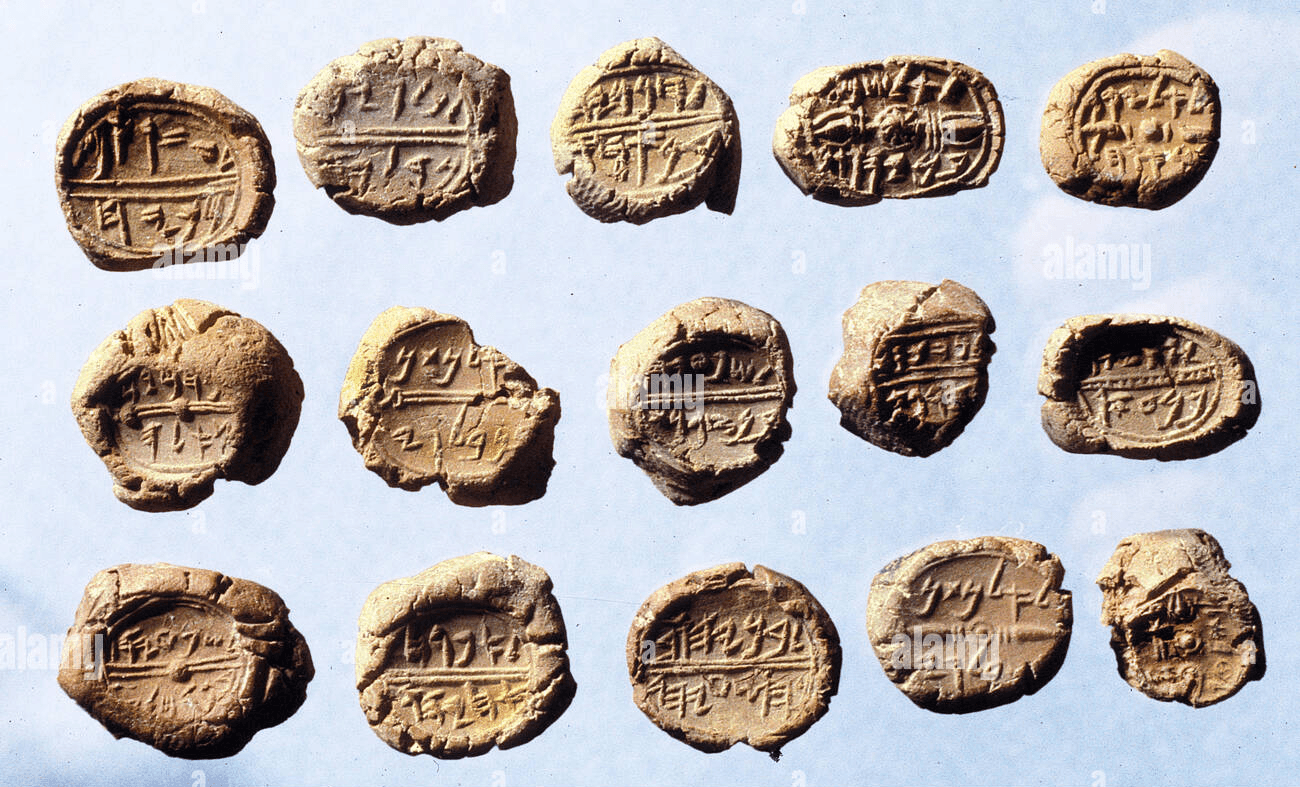
In today's world, it's easy to take for granted the ability to document and track our belongings with modern technology. From spreadsheets to inventory apps, we have endless options to keep track of everything we own. However, throughout history, people have been finding ways to inventory their possessions. One example of this is the use of bulla, ancient clay balls used for storing a person's inventory.
Bulla were first used by ancient Mesopotamians over 5,000 years ago, primarily to document commercial transactions. They were made from clay, which was readily available in the region, and then baked in a kiln to harden. These clay balls were then imprinted with symbols and impressions to signify the contents inside.
The contents of bulla varied depending on the purpose of the ball. For example, bulla used to document grain storage would have an impression of the number of bushels inside, as well as the date of storage. Bulla used for other purposes, such as the exchange of goods or the transfer of ownership, would also have unique markings to identify the parties involved.
Bulla were not only used for commercial purposes but also for personal inventory. Ancient individuals would use bulla to document their personal possessions, such as jewelry, clothing, and household items. These personal bulla would often be sealed with the owner's name or a unique symbol, ensuring that their belongings were protected from theft or loss.
The use of bulla to document personal inventory has clear parallels to modern-day home inventory. Home inventory is the process of documenting all of your belongings, including their value, condition, and location. This information is critical in the event of a theft or disaster, as it helps insurance companies assess the extent of the loss and speeds up the claims process.
In many ways, home inventory is an extension of the human need to document and track our possessions. While bulla were used primarily for commercial transactions, the concept of keeping an inventory of one's belongings has been around for centuries. In fact, even the Bible references the importance of keeping an inventory of one's possessions, with the Book of Nehemiah documenting the rebuilding of Jerusalem's walls and the inventory of the city's resources.
While bulla may seem like an outdated way to store inventory, they serve as a reminder of the importance of documenting our belongings. In today's digital age, we have many options for keeping track of our possessions, from spreadsheets to inventory apps. However, the concept of home inventory has been around for centuries, reminding us of our human desire to protect and document the things that matter most to us.
In conclusion, bulla are ancient clay balls used for storing a person's inventory. They were used by ancient Mesopotamians over 5,000 years ago, primarily to document commercial transactions. Bulla were also used to document personal possessions, and in many ways, serve as a precursor to modern-day home inventory. While technology has made it easier to document our belongings, the importance of keeping track of our possessions has been around for centuries, reminding us of our innate human desire to protect the things that matter most to us.